


 From earth to lustre
Gemstone Mining Consultant & Gemologist
From the Earth. To the Opportunity.
Professional insight across gemstone exploration, mining projects, geological evaluation and gemological assessment.

The GeoLustre Approach
Understanding the stone begins with understanding where it comes from.
GeoLustre Mining brings together gemstone knowledge, geological understanding and practical mining insight to help clients evaluate opportunities and navigate gemstone projects with greater clarity.
- GEO
- Earth, geology, minerals, exploration and the realities of fieldwork.
- LUSTRE
- Light, reflection, precision and the science of the gemstone itself.
02 Expertise
Expertise beneath the surface.
Six disciplines, one line of reasoning: understand the geology, understand the stone, then judge the opportunity.
-

An independent read of a gemstone mining opportunity: the geology, the workings, the data and the assumptions behind it.
Read more -
Understanding a deposit as a geological system: host rock, structure, source and the controls on where gem material occurs.
Read more -
Guidance on where to look, what to look for and how to read early signals in gemstone exploration.
Read more -
Identification and assessment of rough and cut stones: species, characteristics, treatments and quality factors.
Read more -
Practical input as a gemstone project moves from exploration toward organised, responsible production.
Read more -
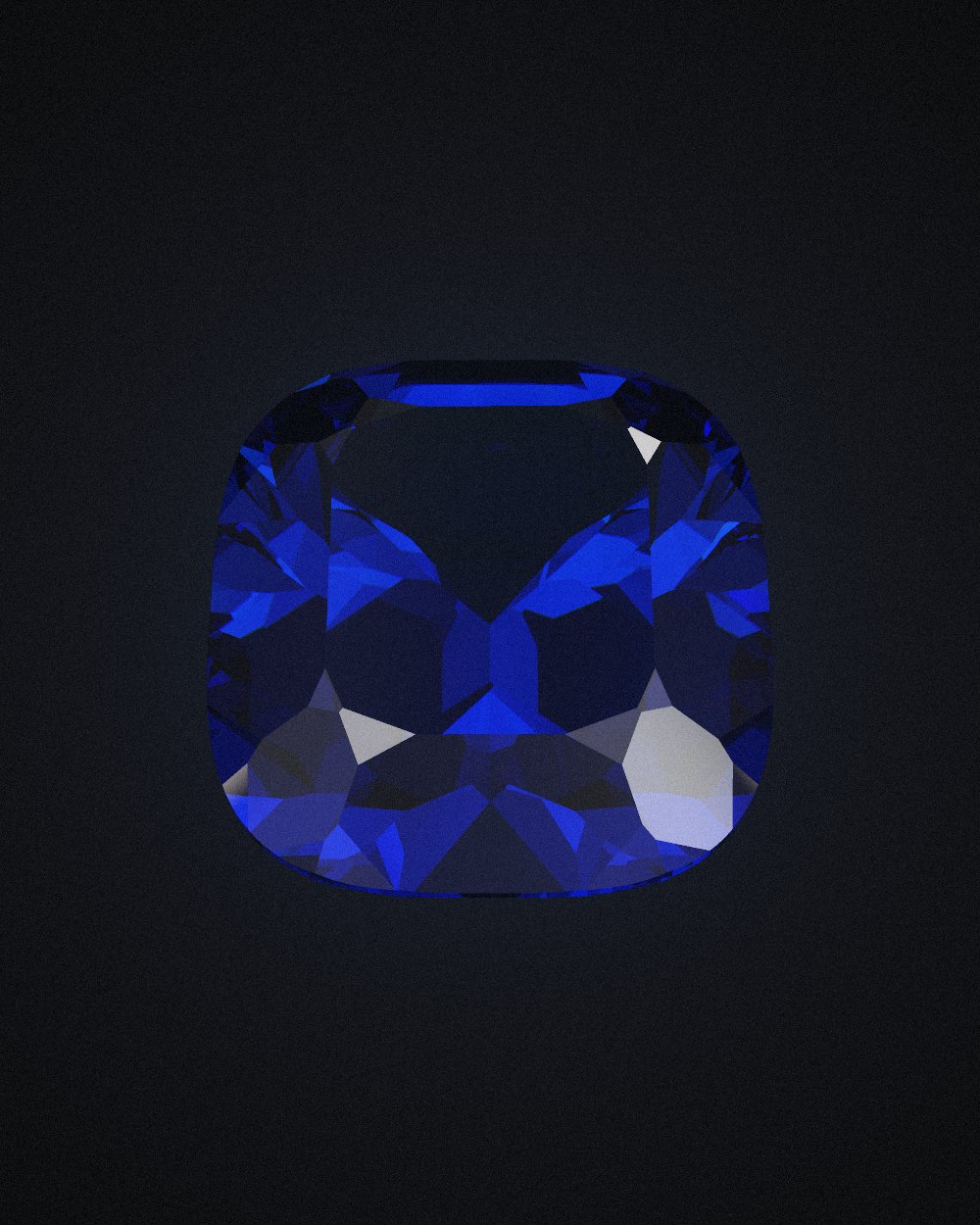
Focused research into gemstone varieties, occurrences, geological origin and market-relevant characteristics.
Read more
03 Origin
Every gemstone has a geological story.
From crystallisation deep in the crust to the decision in front of a client, each stage leaves evidence. Reading that evidence in order is how an opportunity is understood.
-
Stage 01
Formation
Heat, pressure, fluids and time. Every gem species crystallises under a particular set of geological conditions.
-
Stage 02
Exploration
Reading rock, structure and landscape to understand where those conditions once existed.
-
Stage 03
Discovery
The first gem material in a pit, trench or gravel: a signal that still needs to be understood.
-
Stage 04
Evaluation
Testing the signal. Is the occurrence consistent, is the material gem quality, and what controls it?
-
Stage 05
Recovery
Extracting and processing with care, so the value created by geology is not destroyed by method.
-
Stage 06
Opportunity
A decision grounded in evidence: what the deposit is, what it is not, and what comes next.
04 The Stones
The stones, and what they record.
Each species forms under its own conditions. Colour, inclusions and crystal habit are the evidence a gemologist reads.

The red variety of corundum, coloured by chromium, and among the most valued of all coloured stones.

Corundum in every colour except red; blue sapphire owes its colour to iron and titanium.

The green variety of beryl, defined by chromium and vanadium, and famously included.

A complex borosilicate group with the widest colour range of any gem family.

Amorphous hydrated silica whose play-of-colour is created by diffraction of light.

Purple quartz, coloured by iron and natural irradiation, often found lining geodes.
Ruby, sapphire, emerald, tourmaline, opal, amethyst, aquamarine, topaz and garnet.
Enter the gemstone directory05 Global View
A global view of gemstone resources.
Gemstones are concentrated where geology allowed them to form. Select a region to see what it is known for.
Twelve gemstone-producing regions, with geological context, in the digital atlas.
Open the atlas06 — Gemology
The Science of Lustre
Gemology is the discipline of understanding a gemstone completely: how it formed, what it is, how it has been treated, and what its characteristics mean for its use and value.

- 01
Formation
Where and how a species crystallised — the geological conditions written into the stone.
- 02
Identification
Refractive index, specific gravity, optical character and spectra that separate one species from another.
- 03
Colour
The trace elements and structural causes behind hue, tone and saturation.
- 04
Clarity
Inclusions as fingerprints: evidence of growth history, origin and treatment.
- 05
Natural stones
Material formed entirely by geological processes, without human alteration.
- 06
Treated stones
Natural stones whose appearance has been changed by heat, filling, diffusion or irradiation.
- 07
Synthetic stones
Laboratory-grown material with the same chemistry and structure as its natural counterpart.
- 08
Geological origin
The deposit type and environment that produced a stone, and the clues it leaves behind.
- 09
Characteristics
Hardness, toughness, cleavage and stability — how a stone will behave in cutting and wear.

07 — Field Consulting
Where the work takes you.
Gemstone consulting is not confined to an office. The most important evidence is often found on the ground — in a pit wall, a gravel horizon or the way a site is worked.
- 01Geological locations
- 02Mining sites
- 03Exploration environments
- 04Gemstone deposits
- 05Field research
- 06Technical assessment
08 Consulting Process
A clear line from question to decision.
Every engagement follows the same disciplined sequence, scaled to the size and stage of the project.
-
01
Discover
Understand the project.
Objectives, the information that exists and the decision the work needs to support.
-
02
Assess
Review the geological and gemstone context.
Deposit setting, material observed and the history of the ground.
-
03
Analyze
Evaluate available information.
Data, samples, reports and site observations, tested against geological reasoning.
-
04
Advise
Develop practical recommendations.
Findings stated plainly, with risks, gaps and priorities identified.
-
05
Develop
Support project planning and development.
Continued input as the project moves into its next stage.
09 Journal
Notes from the GeoLustre Journal.
Natural, treated or synthetic: why the distinction matters
Three stones can look almost identical and still be entirely different propositions. Gemology exists to tell them apart.
Primary and secondary deposits: two ways to find a gemstone
Some gems are found in the rock where they grew. Many more are found where weathering and water have carried them.
Five questions to ask before evaluating a gemstone mining opportunity
Good stones in a parcel are a starting point, not a conclusion. These questions help separate a signal from a story.
Begin the conversation
Let’s discuss what lies beneath.
Whether you are evaluating a deposit, planning exploration or need a gemological opinion, start with a short description of the project.